SHOCKWAVE THERAPY
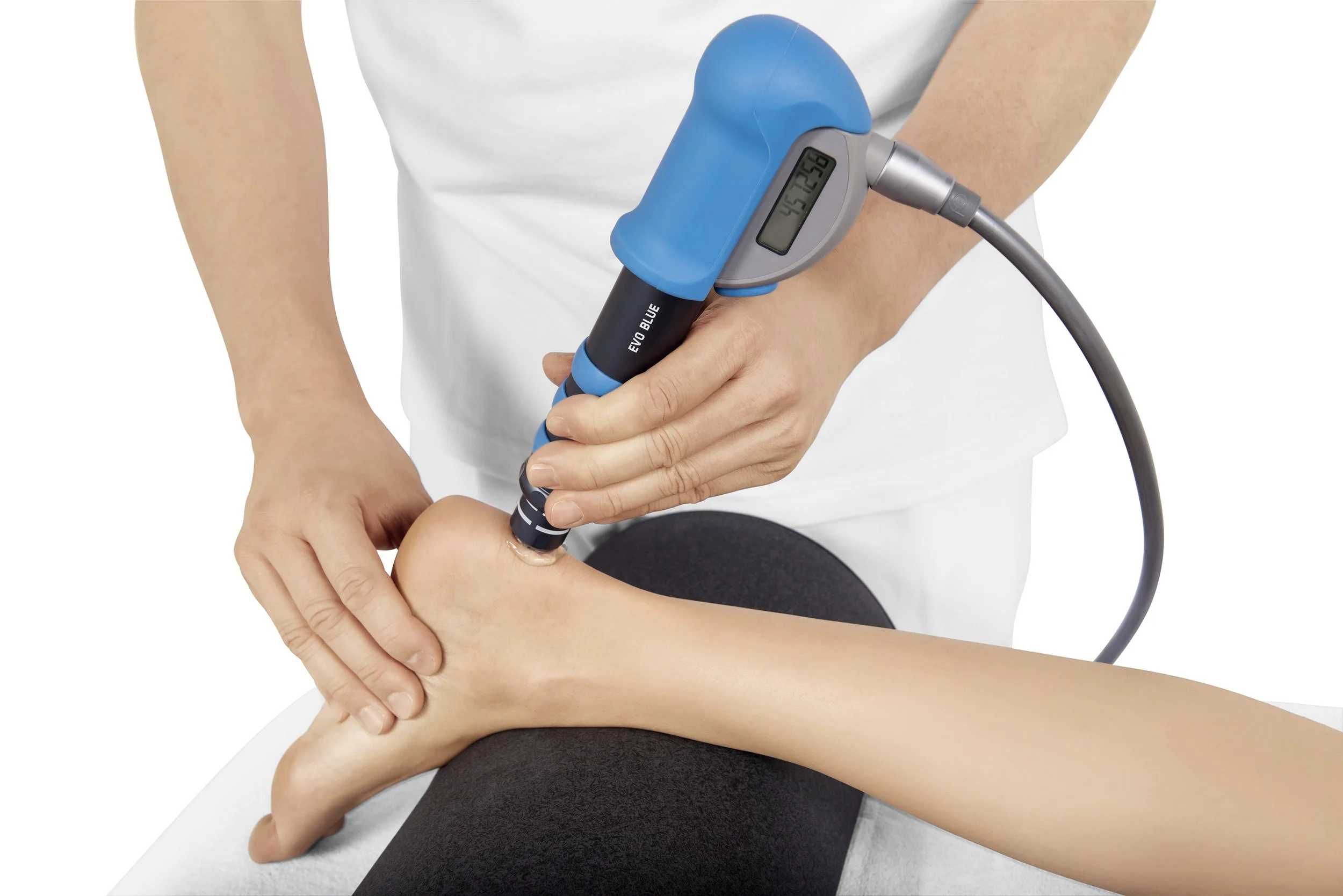
Shockwave therapy is a non-invasive treatment that delivers controlled acoustic (sound) waves into targeted tissues. These waves create a mechanical stimulus that can help stimulate the body’s natural healing processes, particularly in areas where healing has slowed or become chronic. Common conditions we use shockwave therapy for include plantar fasciitis, Achilles tendinitis, arch pain, and tendinitis.
Rather than “fixing” tissue directly, shockwave therapy is thought to work by:
Increasing local blood flow and metabolic activity
Stimulating cellular activity involved in tissue repair
Influencing pain signalling in the treated area
Encouraging tissue remodelling over time
This response may help reduce pain and improve function for some people, especially when symptoms have been present for several months.
Shockwave therapy is most effective when used as part of a comprehensive treatment plan and should not be used as a substitute for exercises, strengthening, or rehabilitation. Your chiropodist will determine whether shockwave therapy is appropriate for you and how it may be combined with rehab to support recovery.
-
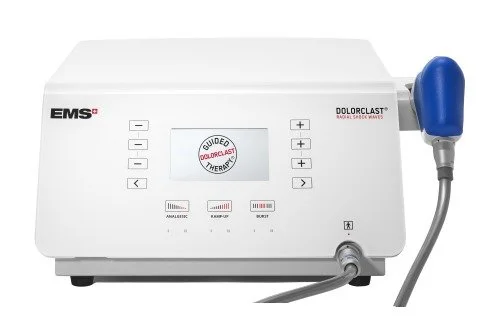
Shockwave therapy is a non-invasive treatment that delivers controlled acoustic (sound) waves to targeted tissues. It is used to help stimulate the body’s natural healing response, particularly in areas where pain or symptoms have become chronic.
-
Shockwave therapy may be considered for certain chronic foot and ankle conditions, such as:
Plantar heel pain (plantar fasciitis)
Achilles tendinopathy (mid-portion or insertional)
Other soft-tissue conditions that have been slow to respond to initial care
It is not appropriate for all conditions or all patients.
-
Shockwave therapy creates a mechanical stimulus in the treated tissue. This stimulus is thought to:
Increase local blood flow
Stimulate cellular activity involved in tissue repair
Influence pain signalling
Support gradual tissue remodelling over time
Shockwave therapy does not “fix” tissue instantly, and its effects are typically gradual.
-
The number of treatments varies depending on the condition and individual response. Shockwave therapy is often delivered as a short course over several weeks. Your chiropodist will discuss an appropriate plan based on your assessment. Typically, 3 to 5 sessions are recommended.
-
Most people describe the sensation as uncomfortable but tolerable. Intensity can be adjusted during treatment, and discomfort typically settles quickly after the session.
-
Response times vary. Some people notice improvement within a few weeks, while others require more time. Shockwave therapy works gradually, and results are not immediate or guaranteed.
-
Shockwave therapy is considered a safe, non-invasive treatment when used appropriately. Short-term effects are rare but may include temporary soreness, redness, or mild bruising at the treatment site.
Your chiropodist will screen for any reasons shockwave therapy may not be appropriate for you.
-
Coverage depends on your individual insurance plan. Many extended health benefits consider shockwave therapy an adjunct treatment. We recommend checking with your provider.